Model Context Protocol (MCP) Explained: The New Era of AI Agent Connectors

Elena Rostova
Director of SEO Strategy
The Great AI Tool Calling Fragmentation
As Large Language Models evolved from text generators into tool-using agents, a massive interoperability problem emerged. Every AI framework—LangChain, LlamaIndex, OpenAI Assistant API, Claude Tool Use—invented its own proprietary JSON schema and function-calling syntax. Developers were forced to write dozens of redundant adapters just to let an AI connect to a database or send a message.
To solve this fragmentation, Anthropic open-sourced the Model Context Protocol (MCP).
The Three Pillars of MCP Architecture
MCP follows a clean client-server architecture designed specifically for AI security and modularity:
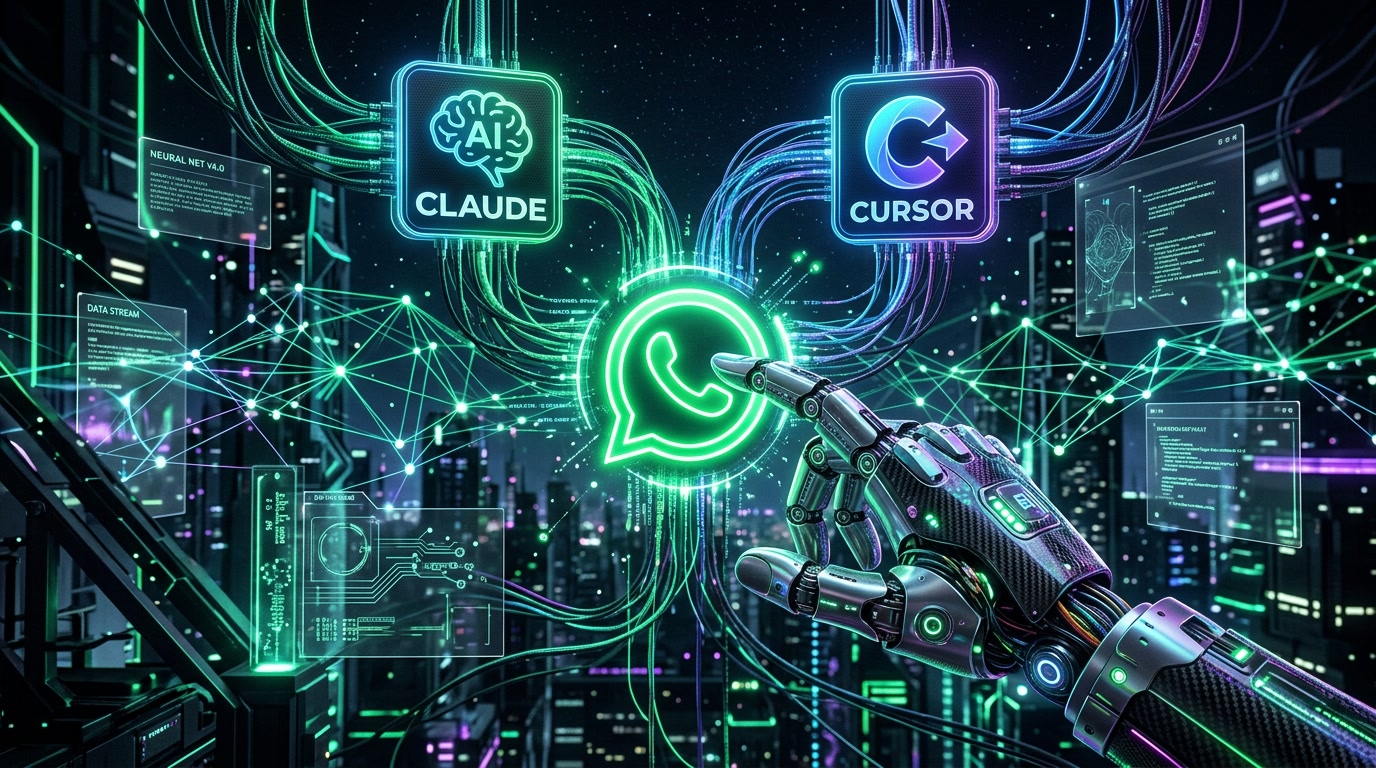
- MCP Hosts / Clients: The AI applications that users interact with (such as Claude Desktop, Cursor IDE, Windsurf, or custom enterprise agent orchestrators).
- MCP Servers: Lightweight, independent programs that expose specific capabilities—such as reading local files, querying PostgreSQL, or controlling WhatsApp via NexBotix.
- Transport Layer: The communication protocol connecting client and server. While standard local MCP uses stdio (standard input/output), cloud-native integrations leverage Streamable HTTP / Server-Sent Events (SSE) for secure remote execution.
Why Streamable HTTP is a Game Changer for SaaS
Originally, MCP servers had to be installed locally on a developer's laptop using Node.js or Python packages. While great for local coding, this made it difficult for cloud SaaS platforms to expose their APIs to AI agents.
With the introduction of Streamable HTTP transport in the MCP spec, SaaS platforms like NexBotix can now host remote MCP endpoints (e.g., https://api.nexbotix.io/api/mcp). By simply pasting this URL and an API key into Claude Desktop or Cursor, developers instantly connect cloud-scale automation to their local AI assistants without installing any local npm dependencies.
The Future of Agent-to-Agent Ecosystems
We are rapidly moving toward a world where software applications no longer just expose REST APIs for human developers—they expose MCP servers for autonomous AI agents. As this ecosystem expands, agents will seamlessly negotiate workflows, query knowledge bases, and execute transactions across thousands of interconnected tools.
Ensure your communication infrastructure is ready for the AI era. Explore NexBotix’s native MCP developer tools today.
Related Topics
Read Next
WhatsApp MCP Server: How to Control WhatsApp from AI Agents (Claude, Cursor & Windsurf)
The Complete Guide to Building an AI-Powered WhatsApp Bot for Business